Best Winter Work Gloves for 2026
The wind chill on this Minnesota job site is something the local news would describe with exclamation points. I’m watching a crew frame a house in 4-degree weather, and the guy handing up studs has fingers the color of boiled shrimp. “Gloves keep my hands warm,” he says, “but I can’t feel the nails.”
Winter work gloves are a compromise between warmth and function. Too much insulation and you’re wearing oven mitts. Too little and your hands go numb, which is worse than wearing nothing at all—at least then you know to get inside. The sweet spot is enough Thinsulate to keep blood flowing to your fingertips, with enough flexibility that you can still grip a hammer or twist a wire nut.
Waterproofing is non-negotiable in winter. Wet hands lose heat 25 times faster than dry hands. A glove that keeps out snow but traps sweat isn’t much better. You need breathable waterproofing—the kind that lets moisture out while keeping the elements at bay. Otherwise, you’re just wearing a damp bag on each hand.
⚡ Quick Picks
| # | Product | Price | Rating | Best For | |
|---|---|---|---|---|---|
| 1 | Wells Lamont HydraHyde Winter Work Gloves | $24.99 | ★★★★ ☆ | outdoor-work, construction, cold-weather, wet-conditions, farming, winter-work | View on Amazon |
| 2 | Klein Tools Thinsulate Winter Gloves | $29.99 | ★★★★ ☆ | outdoor-work, wet-conditions, cold-weather, winter, utilities, electricians | View on Amazon |
| 3 | Carhartt Insulated Waterproof Work Gloves | $34.99 | ★★★★ ★ | outdoor-work, construction, cold-weather, wet-conditions, winter, utilities | View on Amazon |
| 4 | Youngstown Waterproof Winter Gloves | $44.99 | ★★★★ ★ | outdoor-work, construction, wet-conditions, cold-weather, winter, utilities | View on Amazon |
Detailed Reviews
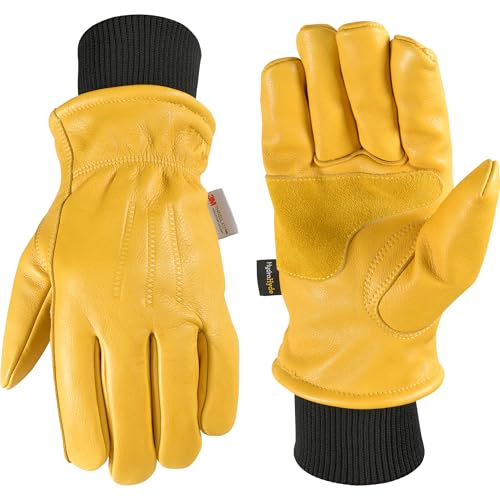
Best water-resistant leather glove for cold weather work.
✅ Pros
- Water resistant
- Warm insulation
- Good leather quality
- Good value
❌ Cons
- Not touchscreen
- Bulky
- Not impact rated
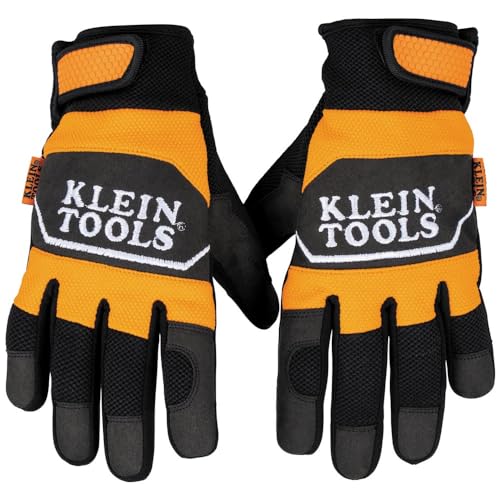
Best winter work glove for outdoor electrical work.
✅ Pros
- Very warm
- Water resistant
- Good padding
- Trusted brand
❌ Cons
- Not touchscreen
- Bulky
- Not for precision work

Best waterproof insulated glove with touchscreen capability.
✅ Pros
- Waterproof
- Warm insulation
- Touchscreen works
- Trusted brand
❌ Cons
- Bulky
- Not impact rated
- Not cut resistant
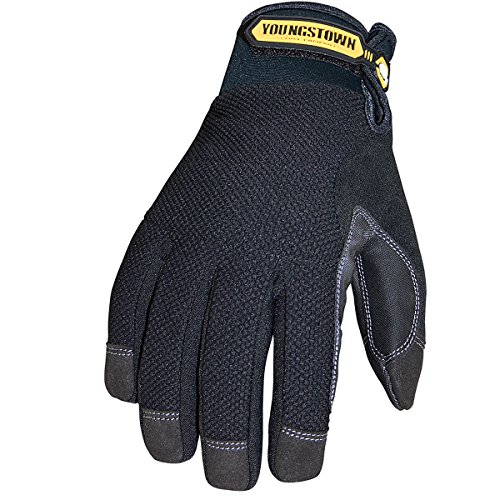
Best premium waterproof winter glove with impact protection.
✅ Pros
- Fully waterproof
- Warm
- Touchscreen works
- Impact protection
❌ Cons
- Very expensive
- Bulky
- Can be too warm
📋 Buyer's Guide: What to Look For
Warmth starts with insulation. Thinsulate is the standard—thin, warm, and retains heat even when damp. 40-gram Thinsulate works for cool weather. 100-gram handles serious cold. 200-gram is for Arctic conditions or minimal activity. More insulation means less dexterity, so match the weight to your actual conditions. Waterproofing keeps insulation effective. Wet insulation stops insulating. Look for waterproof membranes like Hipora or proprietary inserts that block water while letting sweat escape. The Youngstown Waterproof Winter uses a full waterproof-breathable membrane. Touchscreen compatibility matters more in winter. You don't want to remove gloves to answer a call or check a measurement when it's 15 degrees. The Carhartt Insulated Waterproof and Youngstown Winter both offer touchscreen-capable fingertips. Cuff design affects warmth. Gauntlet cuffs that extend over your jacket sleeve seal out snow and wind. Elastic wrists are lower profile but can gap. For snow work or climbing, gauntlets win. For general construction, elastic is less bulky. Consider liner gloves for extreme cold. Thin liner gloves worn under insulated work gloves add warmth and let you remove the outer glove for precision tasks without exposing bare skin. Pack extra pairs. Wet gloves in freezing temperatures aren't just uncomfortable—they're dangerous. Keep a backup in a warm place.
❓ Frequently Asked Questions
40g for cool fall weather. 100g for typical winter work. 200g+ for extreme cold or low-activity work. More insulation reduces dexterity, so don't over-insulate for your conditions.
Quality ones are. Waterproof-breathable membranes let sweat vapor escape while blocking liquid water. Cheap waterproof gloves trap sweat, making hands clammy and cold.
Yes, but placement matters. Put them on the back of your hand, not the palm, to avoid restricting grip. Some gloves have pockets specifically for warmers.
Sweat, most likely. Even in cold weather, working hard generates moisture. Breathable membranes help, but taking breaks to air out gloves is the best solution.
Air dry at room temperature. Never use direct heat—it damages leather, shrinks synthetic materials, and can melt insulation. Stuff with newspaper to absorb moisture faster.