Best Winter Work Boots in 2026
The wind chill in Minneapolis is minus 12, and the snow started falling three hours ago. Dave, the utility lineman, is up to his knees in a drift next to a downed power line. His breath freezes on his beard, and his fingers are numb inside his gloves despite the hand warmers.
“Feet are fine though,” he says, stomping to keep circulation going. “These Thorogoods have 400 grams of Thinsulate. Toes are actually warm.”
Cold weather work is a special kind of misery. Frostbite is a real hazard, and once your feet get cold, your whole body suffers. Wet feet get cold fast, so waterproofing is essential — a boot can be insulated to the gills, but if water gets in, you’re done. Steel toes turn into ice blocks in winter, which is why cold-weather workers often prefer composite.
We’ve selected boots built for real winter conditions — waterproof membranes, serious insulation, and outsoles that grip on ice. These five boots will keep your feet warm and dry when the temperature drops and the snow piles up. They’re not cheap, but neither is losing a toe to frostbite.
⚡ Quick Picks
| # | Product | Price | Rating | Best For | |
|---|---|---|---|---|---|
| 1 | Thorogood 1957 Series 6" Waterproof Steel Toe | $239.99 | ★★★★ ★ | outdoor-work, wet-conditions, construction, comfort, concrete, style | View on Amazon |
| 2 | Thorogood 1957 Series 8" Waterproof Steel Toe | $249.99 | ★★★★ ★ | outdoor-work, construction, wet-conditions, ankle-support, all-day-comfort, heavy-industry | View on Amazon |
| 3 | Timberland PRO Boondock 6" Comp Toe | $174.99 | ★★★★ ★ | outdoor-work, construction, wet-conditions, all-day-comfort, heavy-industry, safety-required | View on Amazon |
| 4 | Ariat WorkHog Waterproof | $179.99 | ★★★★ ★ | outdoor-work, wet-conditions, oil-gas, ranching, mud, farming, extreme-heat | View on Amazon |
| 5 | Georgia Giant Revamp Steel Toe Waterproof | $139.99 | ★★★★ ☆ | outdoor-work, wet-conditions, ranching, mud, farming, easy-on-off | View on Amazon |
Detailed Reviews
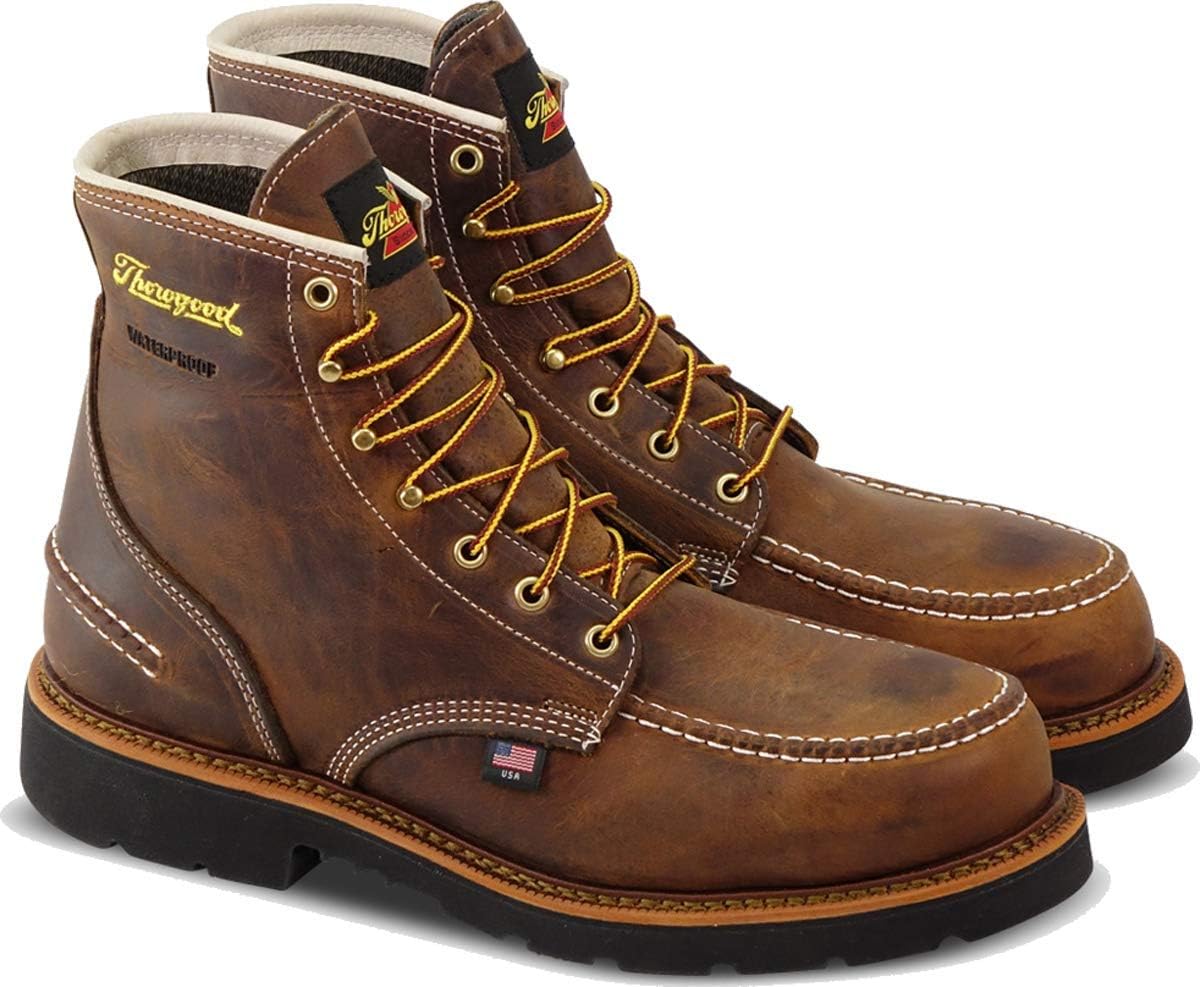
Best vintage-style waterproof work boot, made in USA.
✅ Pros
- USA made
- Waterproof
- Classic vintage look
- Resoleable
❌ Cons
- Expensive
- Heavier than non-waterproof
- Long break-in
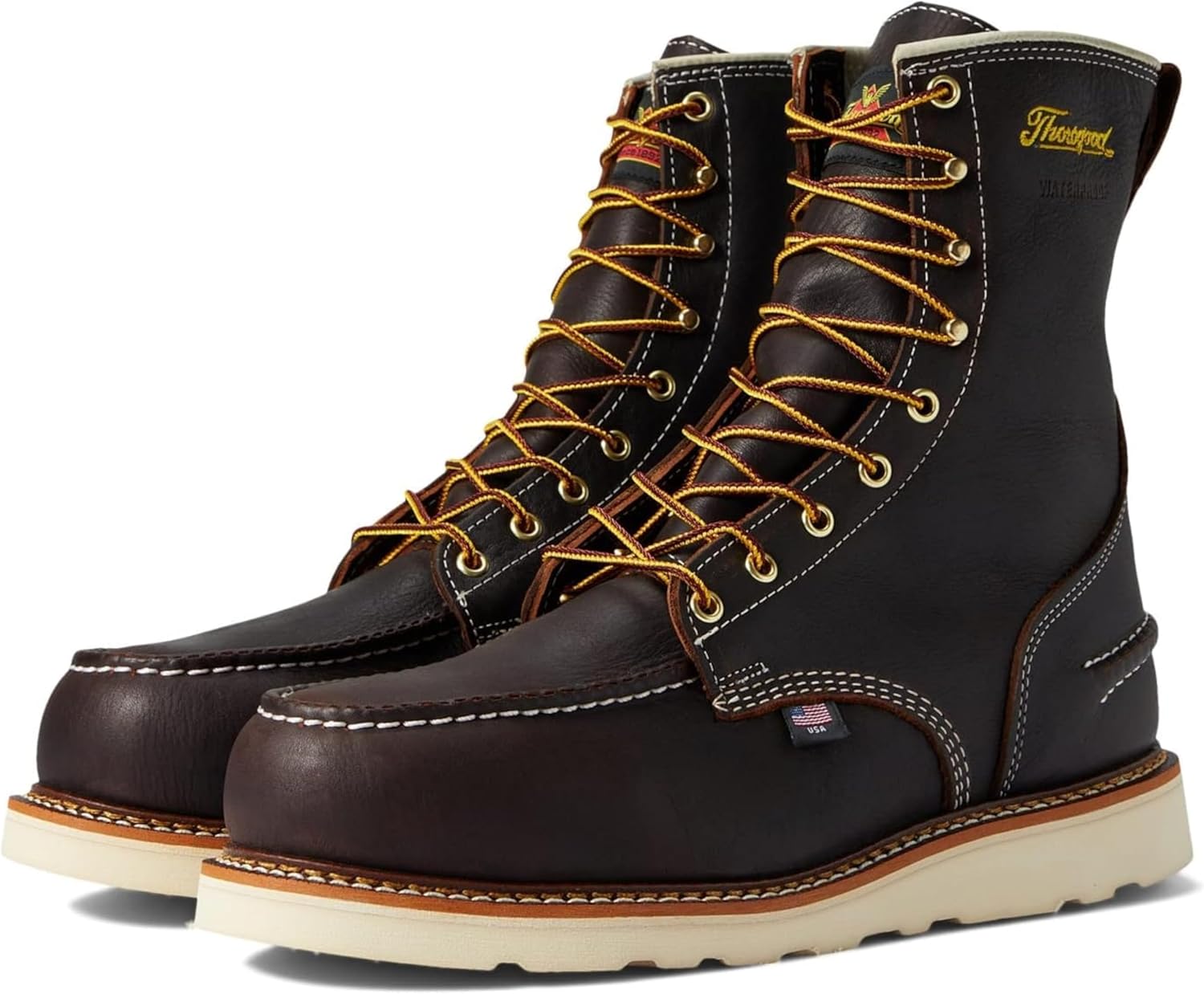
Premium 8-inch waterproof boot for demanding conditions.
✅ Pros
- USA made
- Maximum protection
- Vintage style
- Very durable
❌ Cons
- Premium price
- Heavy
- Requires break-in
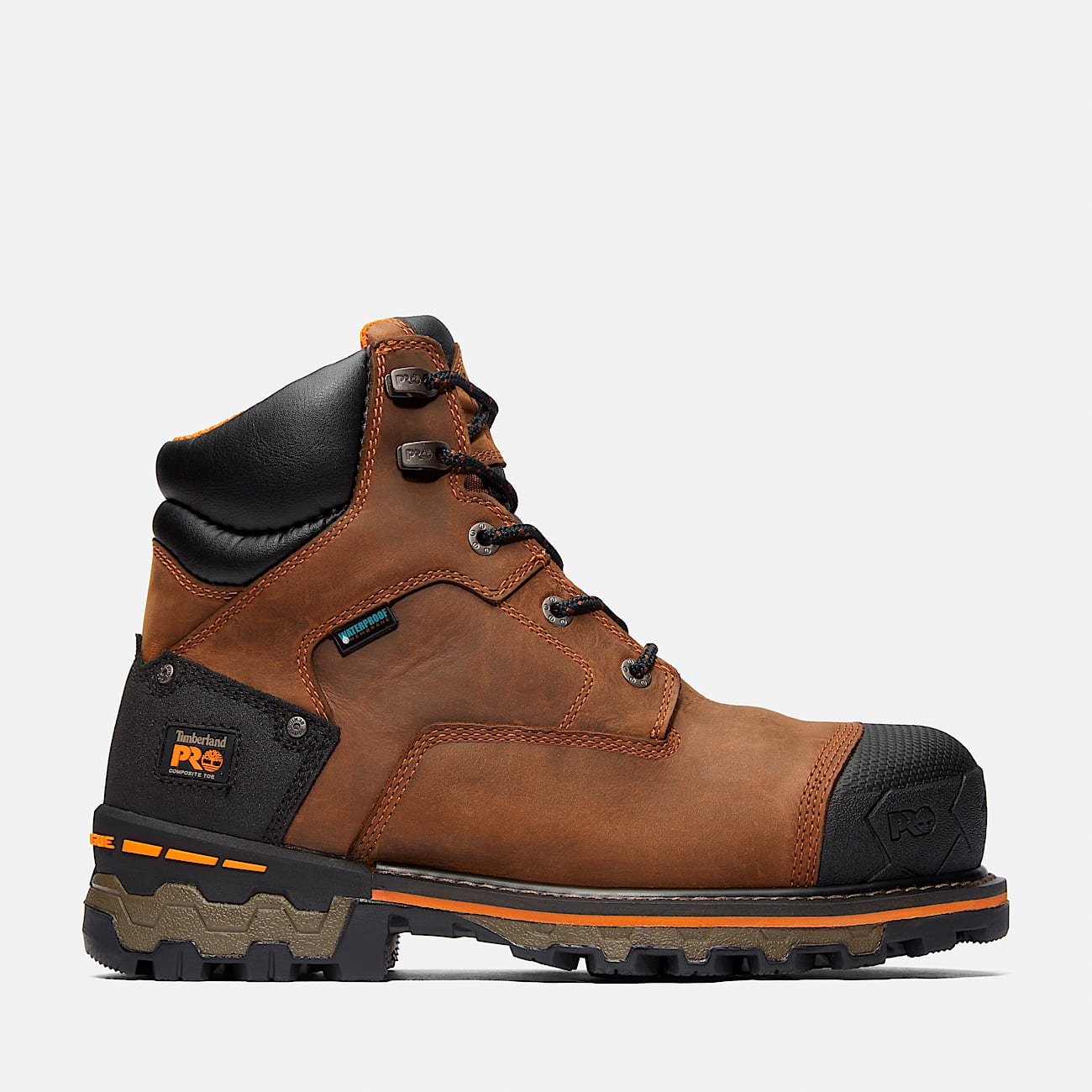
Best Timberland PRO for all-day comfort in wet conditions.
✅ Pros
- Excellent anti-fatigue
- Waterproof
- Durable
- Good support
❌ Cons
- Imported
- Expensive
- Heavy
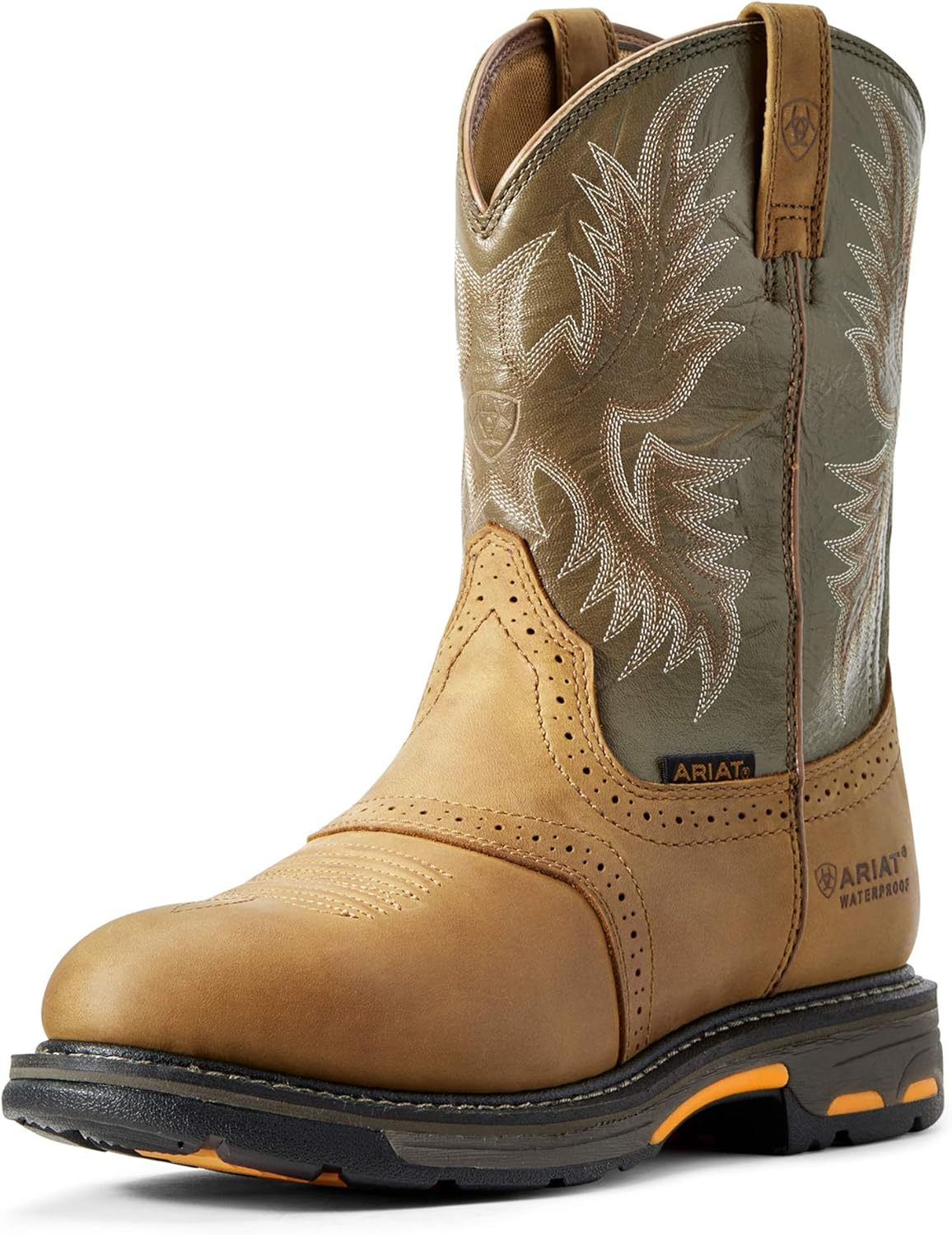
Best for outdoor workers in wet, muddy conditions.
✅ Pros
- Excellent waterproofing
- Easy pull-on
- Durable outsole
- Good for wide feet
❌ Cons
- Imported
- Bulky
- Not for narrow feet
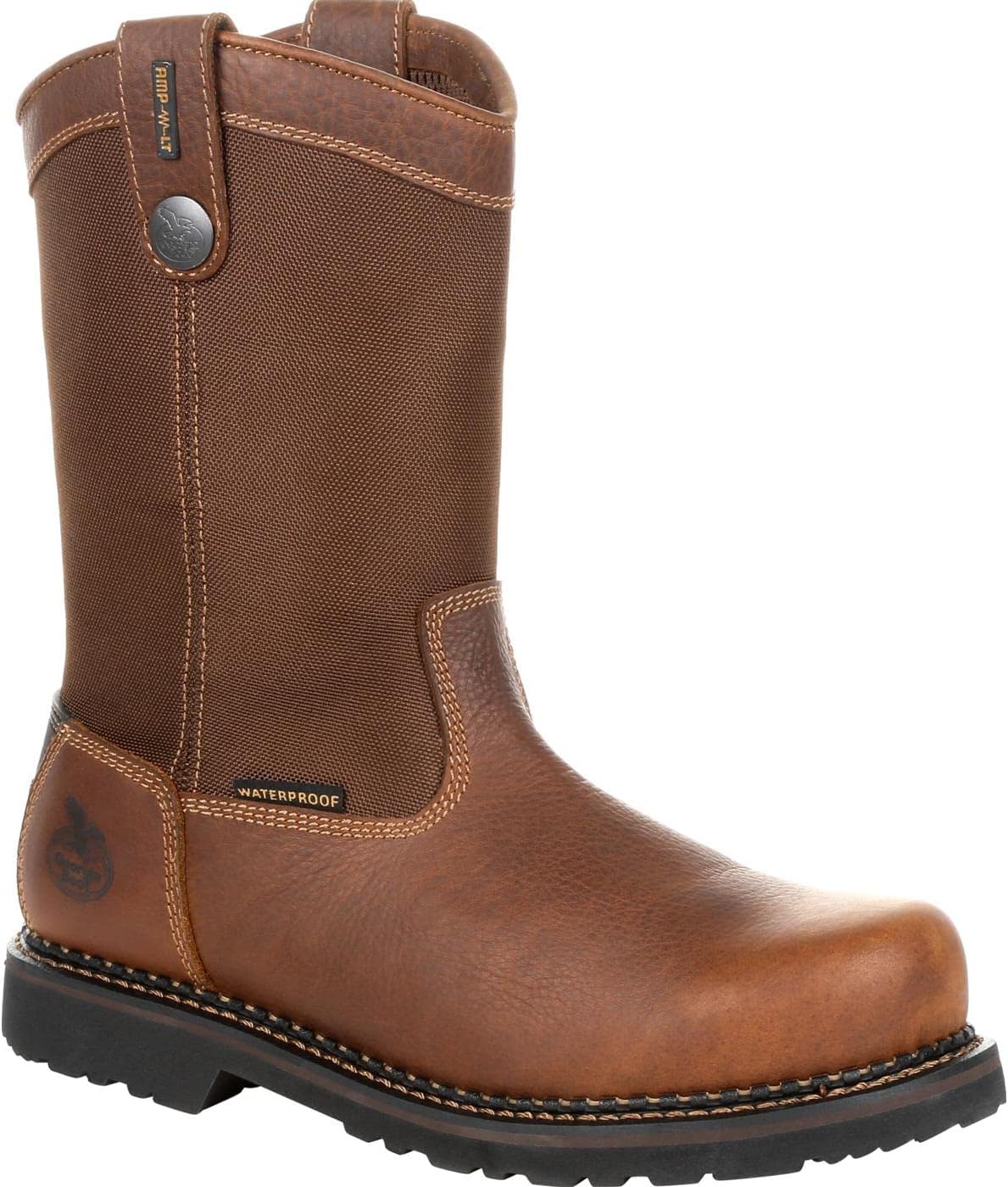
Great waterproof pull-on option for outdoor workers.
✅ Pros
- Waterproof
- Easy pull-on
- Steel toe protection
- Good value
❌ Cons
- Imported
- Bulky
- Not for narrow feet
📋 Buyer's Guide: What to Look For
Winter work boots need to do two things: keep water out and keep heat in. Look for boots with at least 200g of insulation for moderate cold, and 400g or more for sub-zero conditions. Thinsulate is the standard — it traps heat without adding bulk. Waterproofing is non-negotiable in winter since wet feet get cold fast. A waterproof membrane combined with waterproof leather gives you the best protection. Taller boots (8-inch) keep snow out better than 6-inch styles. Consider the toe material — steel conducts cold, so composite or non-metallic toes are warmer. The outsole matters too; look for lug patterns that grip on ice and compounds that stay flexible in cold temperatures. Some boots have special cold-weather features like gusseted tongues to keep snow out and fleece-lined collars for ankle warmth. Break-in takes longer in winter because the materials are stiffer, so plan ahead. Don't forget about socks — even the best boots need quality wool or synthetic socks to keep feet warm. Budget $150-250 for winter boots that'll get you through the season without frostbite. Cheap winter boots fail when you need them most, usually in February when it's actually cold.
❓ Frequently Asked Questions
200g Thinsulate works for temperatures down to about 20°F. 400g is good for sub-zero conditions. 600g+ is for extreme cold or sedentary work where you're not generating body heat.
Yes, steel conducts cold. In winter conditions, composite or non-metallic toes are noticeably warmer. If you need steel toes for safety, look for insulated models with extra lining around the toe box.
Yes. Over-insulated boots in mild weather cause excessive sweating, which actually makes your feet colder. Match the insulation level to your climate and activity level.
Merino wool or synthetic moisture-wicking socks. Avoid cotton — it holds moisture and makes feet cold. Some workers wear a thin liner sock under a thicker wool sock for maximum warmth.
Start with dry feet — moisture is the enemy of warmth. Use quality wool socks, ensure boots are fully waterproof, keep boots loose enough for circulation, and move regularly to generate body heat.