Best Type 2 Hard Hats for Side Impact Protection
⚡ Quick Picks
| # | Product | Price | Rating | Best For | |
|---|---|---|---|---|---|
| 1 | MSA Super-V Type 2 Cap Style Hard Hat | $34.99 | ★★★★ ★ | construction, industrial, side-impact | View on Amazon |
| 2 | Honeywell Fibre-Metal E2 Cap Style Type 2 Hard Hat | $31.99 | ★★★★ ★ | construction, industrial, side-impact | View on Amazon |
| 3 | MSA V-Gard Cap Style Hard Hat with Fas-Trac III Suspension | $24.00 | ★★★★ ★ | construction, industrial, general-labor | View on Amazon |
| 4 | 3M SecureFit H-700 Series Cap Style Hard Hat | $17.95 | ★★★★ ★ | construction, electrical, budget-conscious | View on Amazon |
| 5 | Milwaukee Front Brim Hard Hat with BOLT Accessories | $29.99 | ★★★★ ★ | construction, electrical, accessories | View on Amazon |
| 6 | Klein Tools Hard Hat Non-Vented Cap Style | $26.99 | ★★★★ ★ | electrical, construction, trades | View on Amazon |
Detailed Reviews

When side impact protection matters, the Super-V Type II delivers. Essential for work with lateral hazards.
✅ Pros
- Type II rated for side impact protection
- Fas-Trac III ratchet suspension
- Superior lateral protection
- ANSI Z89.1-2009 Type II rated
- High-density polyethylene shell
❌ Cons
- More expensive than Type I
- Heavier than Type I hard hats
- Overkill for some applications

Type II protection with Fibre-Metal's trusted 8-point suspension. Good choice when you need side impact coverage.
✅ Pros
- Type II side impact rated
- 8-point suspension
- Smooth easy-clean crown
- Good lateral protection
- Durable construction
❌ Cons
- Heavier design
- Not vented
- Dated appearance
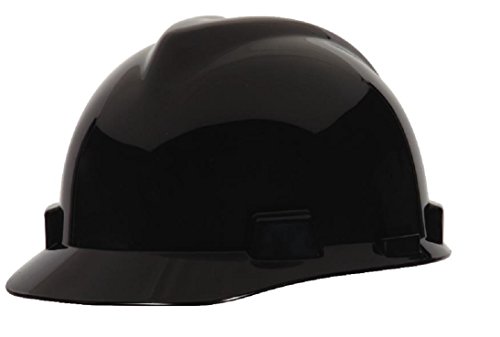
The classic hard hat that built the industry standard. Reliable, affordable, and proven on millions of job sites.
✅ Pros
- Iconic V-design trusted for decades
- Fas-Trac III ratchet suspension is comfortable
- Slotted for accessories
- ANSI Z89.1-2009 Type I Class E rated
- Available in many colors
❌ Cons
- Not vented - can get hot
- Basic styling
- Made overseas
A modern hard hat with smart features at a budget price. The UVicator alone is worth the cost.
✅ Pros
- Pressure diffusion technology reduces pressure points
- UVicator sensor shows when to replace
- Low profile design
- Lightweight and comfortable
- ANSI Type I Class E rated
❌ Cons
- Plastic feels less robust than MSA
- Suspension not as adjustable
- Limited color options
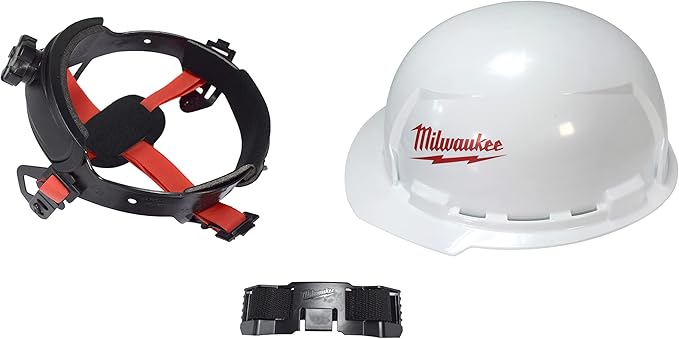
Milwaukee's accessory ecosystem makes this hard hat incredibly versatile. Great if you already use their tools.
✅ Pros
- BOLT accessory system is versatile
- Front brim design
- 4-point suspension
- Integrated headlamp clips
- Type I Class E rated
❌ Cons
- Accessories sold separately
- Heavier than some competitors
- Limited color choices
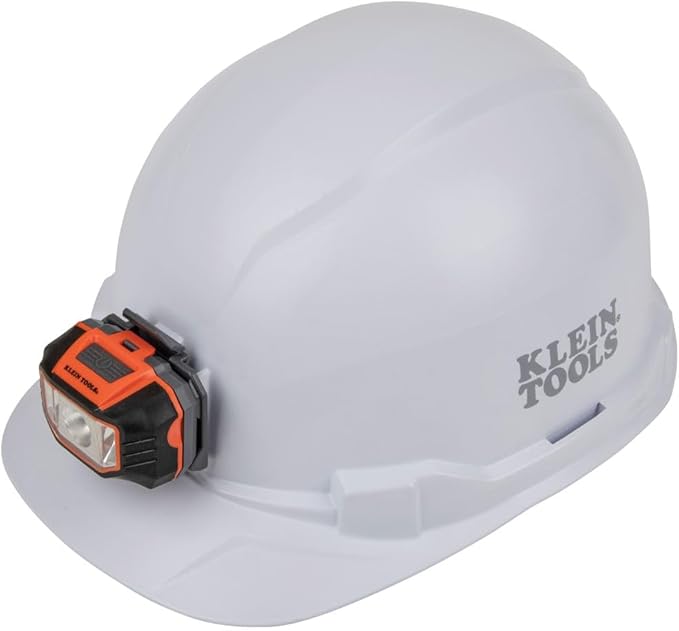
Klein brings their electrician expertise to head protection. Class E rated and non-vented for electrical safety.
✅ Pros
- Non-vented for electrical work
- Class E rated for electrical protection
- 4-point suspension
- Trusted electrician brand
- Durable construction
❌ Cons
- Not vented - gets hot
- Limited color selection
- Pricey for basic features
📋 Buyer's Guide: What to Look For
Most hard hats are Type I - they protect your dome from impacts coming straight down. That's fine when the threat is above you. But on modern construction sites, hazards come from every direction. Scaffolding poles, swinging loads, tight quarters with equipment - these create lateral impact risks that Type I hard hats aren't designed to handle. Type II hard hats add protection against side, front, and rear impacts. The testing requirements are stricter - they must withstand impacts to the sides of the helmet as well as the crown. For work around scaffolding, steel erection, or any environment with overhead obstacles, Type II is worth considering. The MSA Super-V Type II is the gold standard. It combines MSA's trusted V-Gard shell design with enhanced lateral protection and the excellent Fas-Trac III suspension. If you're working around scaffolding or in tight industrial spaces, this is the hard hat to beat. Fibre-Metal's E2 brings their 8-point suspension to the Type II category. The eight suspension points distribute force better than 4-point systems, which matters when impacts can come from any angle. The smooth crown design makes cleaning easier too - important in dirty industrial environments. Here's the reality: Type II hard hats cost more and weigh slightly more than Type I. For general construction with open overhead space, Type I is probably sufficient. But if your site has scaffolding, overhead pipes, or work in tight mechanical spaces, the extra protection is worth the cost. Many industrial sites and refineries now require Type II hard hats specifically. Check your site safety requirements before buying. The trend is toward more Type II requirements as safety standards evolve. Type II hard hats can still be Class E rated for electrical protection. The lateral protection doesn't compromise electrical insulation. Look for dual-rated Type II, Class E hats if you need both protections. Comfort matters with Type II because you'll likely wear it for long shifts in complex environments. The suspension system becomes more important - ratchet adjustments, padding quality, and weight distribution all affect how the hat feels after 10 hours. Don't assume all Type II hats are created equal. Check the specific testing standards and certifications. ANSI Z89.1-2009 Type II is the current standard - older hats might reference different standards.
❓ Frequently Asked Questions
Type I protects against impacts to the top of the head only. Type II adds protection against lateral impacts from the sides, front, and back. Type II undergoes additional testing for side impact resistance.
Type II is recommended for work around scaffolding, steel erection, confined spaces with overhead obstructions, or any environment where lateral impacts are possible. Some industrial sites require Type II specifically.
Yes, typically 1-3 ounces heavier than comparable Type I hats due to additional reinforcement for side impact protection. The weight difference is minimal compared to the added protection.
Yes. Type II hard hats can also carry Class E (20,000V) or Class G (2,200V) electrical ratings. The lateral protection doesn't affect electrical insulation properties.
Type II requires additional materials for side reinforcement and more rigorous testing standards. The manufacturing process is more complex, resulting in higher prices - typically $10-20 more than comparable Type I models.