Best Tool Belts for Carpenters in 2026
The smell of fresh lumber hits you first—pine, clean and sharp. I’m on a residential framing job in Oregon, and the lead carpenter has a tool belt that’s seen more houses than most realtors. The leather is dark with age, the hammer loop worn to a shine where his Estwing slides in and out a hundred times a day.
Carpentry is rhythmic work, and your belt is part of the rhythm. Reach for a nail, set it, drive it, reach again. If you’re fumbling in your pockets or reloading every ten minutes, you’re losing time. A good carpenter’s belt becomes an extension of your workflow—you know where everything lives without thinking.
The hammer is the center of gravity. Everything else arranges around it. Nail bags within easy reach of both hands. Tape measure on the dominant side. Speed square in a dedicated slot. When it’s right, you barely break stride. When it’s wrong, you’re constantly stopping, searching, adjusting. Carpentry is too physical for that kind of inefficiency.
⚡ Quick Picks
| # | Product | Price | Rating | Best For | |
|---|---|---|---|---|---|
| 1 | Occidental Leather Pro Trimmer Tool Belt | $289.00 | ★★★★ ★ | durability, premium-quality, finish-carpentry, framers, carpenters, daily-professional-use | View on Amazon |
| 2 | Dead On Tools Carpenter's Tool Belt Bundle | $129.99 | ★★★★ ★ | value-bundle, framers, complete-kit, general-contractors, comfort, carpenters | View on Amazon |
| 3 | AWP TrapJaw Oil-Tan Leather Tool Rig | $149.99 | ★★★★ ★ | construction, framers, professional, weight-distribution, carpenters, leather-quality | View on Amazon |
| 4 | CLC Custom Leathercraft 51452 Pro Framer | $89.99 | ★★★★ ★ | framers, general-contractors, professional, weight-distribution, carpenters, leather-quality | View on Amazon |
| 5 | Bucket Boss Mullet Buster Suspension Rig | $69.99 | ★★★★ ☆ | budget-conscious, general-contractors, weight-distribution, carpenters, diy, daily-use | View on Amazon |
Detailed Reviews
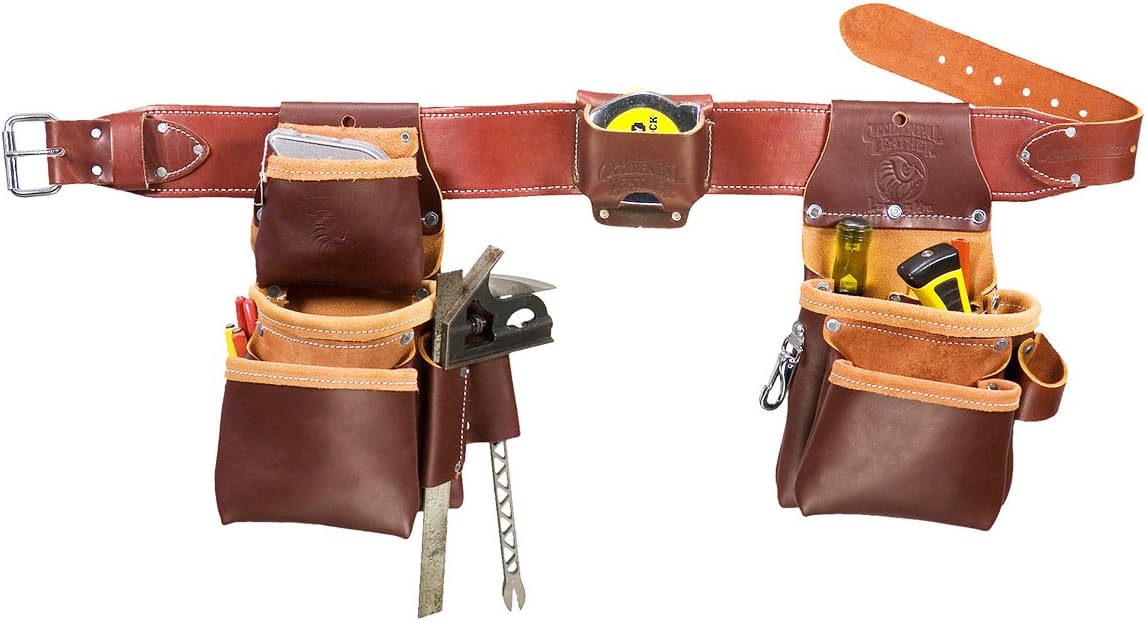
Best premium leather tool belt for professional carpenters.
✅ Pros
- Premium leather quality
- Lasts for years
- Excellent organization
- Professional grade
❌ Cons
- Very expensive
- Heavy
- Requires break-in
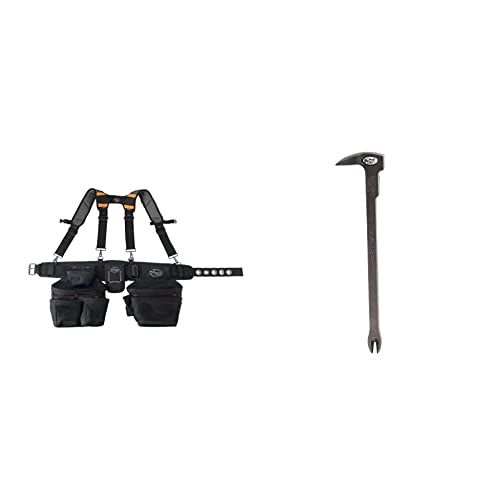
Best complete tool belt bundle with suspenders and accessories.
✅ Pros
- Complete bundle
- Gel suspenders
- Good value
- Lots of pockets
❌ Cons
- Not leather
- Vinyl material
- Can be heavy
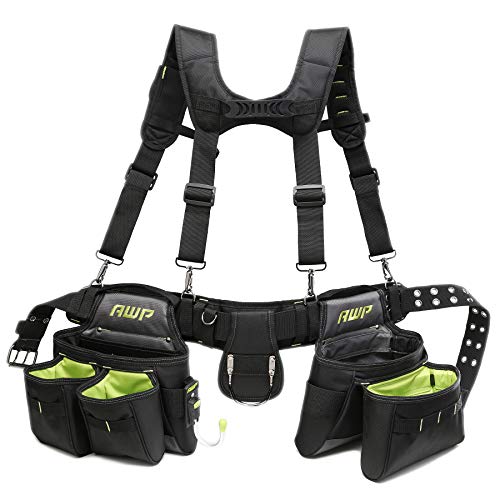
Best leather tool belt with suspenders for professional carpenters.
✅ Pros
- Quality leather
- Suspenders included
- Good organization
- Durable
❌ Cons
- Expensive
- Heavy
- Requires break-in
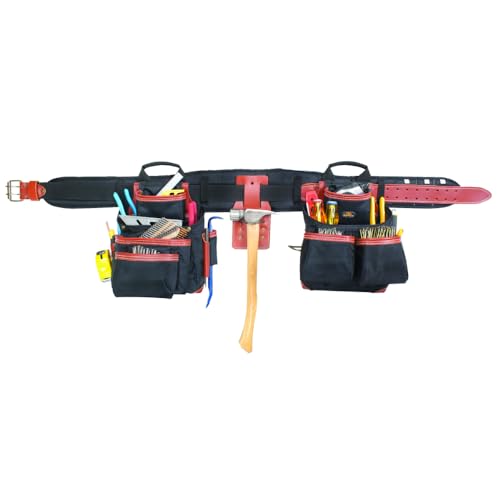
Best mid-range leather tool belt with suspenders for framers.
✅ Pros
- Real leather
- Suspenders included
- Good pocket variety
- Durable
❌ Cons
- Mid-range leather quality
- Heavy
- Can be bulky
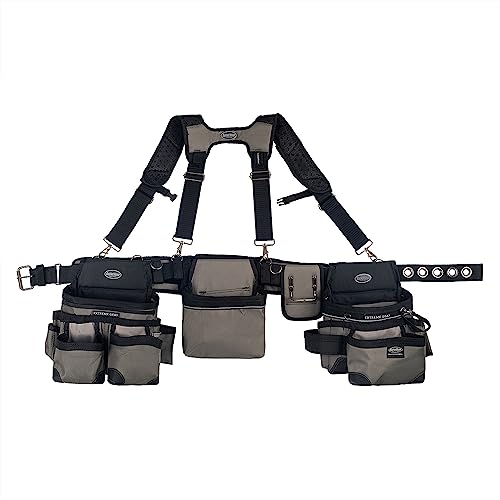
Best budget suspension rig for weight distribution on a budget.
✅ Pros
- Affordable
- Suspenders help
- Barrel pockets hold shape
- Good value
❌ Cons
- Canvas not leather
- Not as durable
- Basic quality
📋 Buyer's Guide: What to Look For
Carpenters need nail capacity. Framing requires boxes of nails within reach. Deep, wide nail bags hold bulk fasteners without constant reloading. The Occidental Pro Trimmer and Dead On bundle both offer serious nail capacity for production framing. Hammer holders matter more than you'd think. A good hammer loop keeps your most-used tool accessible but secure. Some belts offer multiple holders—one for your hammer, one for a hatchet or pry bar. Position matters; you should be able to draw and holster your hammer without looking. Tape measure access is constant. Carpenters use tape every few minutes. A dedicated tape pocket or clip keeps it at hand. Some systems include a tape chain that lets the tape hang within reach without taking up pocket space. Fastener organization separates rough and finish work. Framers need bulk storage. Finish carpenters need compartments for different screw sizes, trim nails, and hardware. Modular pouches let you switch setups between rough and finish phases. Durability faces extreme tests. Carpentry is hard on gear. You're climbing, kneeling, and working around sharp materials. Reinforced corners, riveted stress points, and heavy stitching separate belts that last from belts that fail. Material choice affects longevity. Leather molds to your body and lasts decades but costs more. Synthetic materials are lighter and cheaper but wear faster. For daily professional carpentry, leather is the investment that pays off. For occasional use or budget constraints, quality synthetics work.
❓ Frequently Asked Questions
Framing belts emphasize bulk nail capacity and durability. Finish belts focus on organization for hardware, smaller fasteners, and precision tools. Some carpenters own both and switch as projects progress.
Two minimum—one for each hand. Many carpenters prefer four pockets: two for different nail sizes, plus slots for screws and hardware. More pockets mean less reloading and better organization.
For framing, absolutely. The weight of nails, hammers, and tools adds up fast. Suspenders distribute that load and save your back. For lighter finish work, a belt alone might suffice.
Most carpenters are right-handed and wear the hammer on the left side for cross-body draw. But it's personal preference. Try both positions and use what feels natural.
Proper fit is key—measure your waist and buy accordingly. A belt that's too big will sag. Suspenders solve this problem entirely. Some belts include side straps that cinch tighter around the hips.