Best Premium Safety Glasses for 2026
The sun’s beating down on a commercial roofing job in Phoenix, and I’m watching a crew squint through scratched-up bargain glasses that have seen better days. The foreman pulls out a pair of Oakleys—Det Cord Industrials, matte black, no flash. “Had these three years,” he says. “Changed the lenses twice.”
That’s the premium difference. Not status. Longevity. When your safety glasses cost real money, you take care of them. You use the case. You clean them properly. You don’t toss them in the truck bed with the scrap metal. And because they’re comfortable—actually comfortable—you wear them instead of pushing them up on your forehead every chance you get.
Premium glasses also tend to look better, which matters more than safety directors want to admit. Workers wear what they don’t hate. A pair that doesn’t make you look like you’re managing a chemistry lab in 1987 stays on your face. It’s that simple.
⚡ Quick Picks
| # | Product | Price | Rating | Best For | |
|---|---|---|---|---|---|
| 1 | Oakley Det Cord Industrial | $156.00 | ★★★★ ★ | premium-quality, military, all-day-comfort, tactical, style-conscious, premium-work | View on Amazon |
| 2 | Edge Kazbek Polarized Safety Glasses | $34.99 | ★★★★ ★ | glare-reduction, outdoor-work, construction, outdoor, premium-quality, fishing, driving | View on Amazon |
| 3 | Pyramex Highlander XP Indoor-Outdoor Mirror | $15.99 | ★★★★ ★ | outdoor-work, construction, anti-fog-needed, utilities, variable-lighting, dusty | View on Amazon |
Detailed Reviews
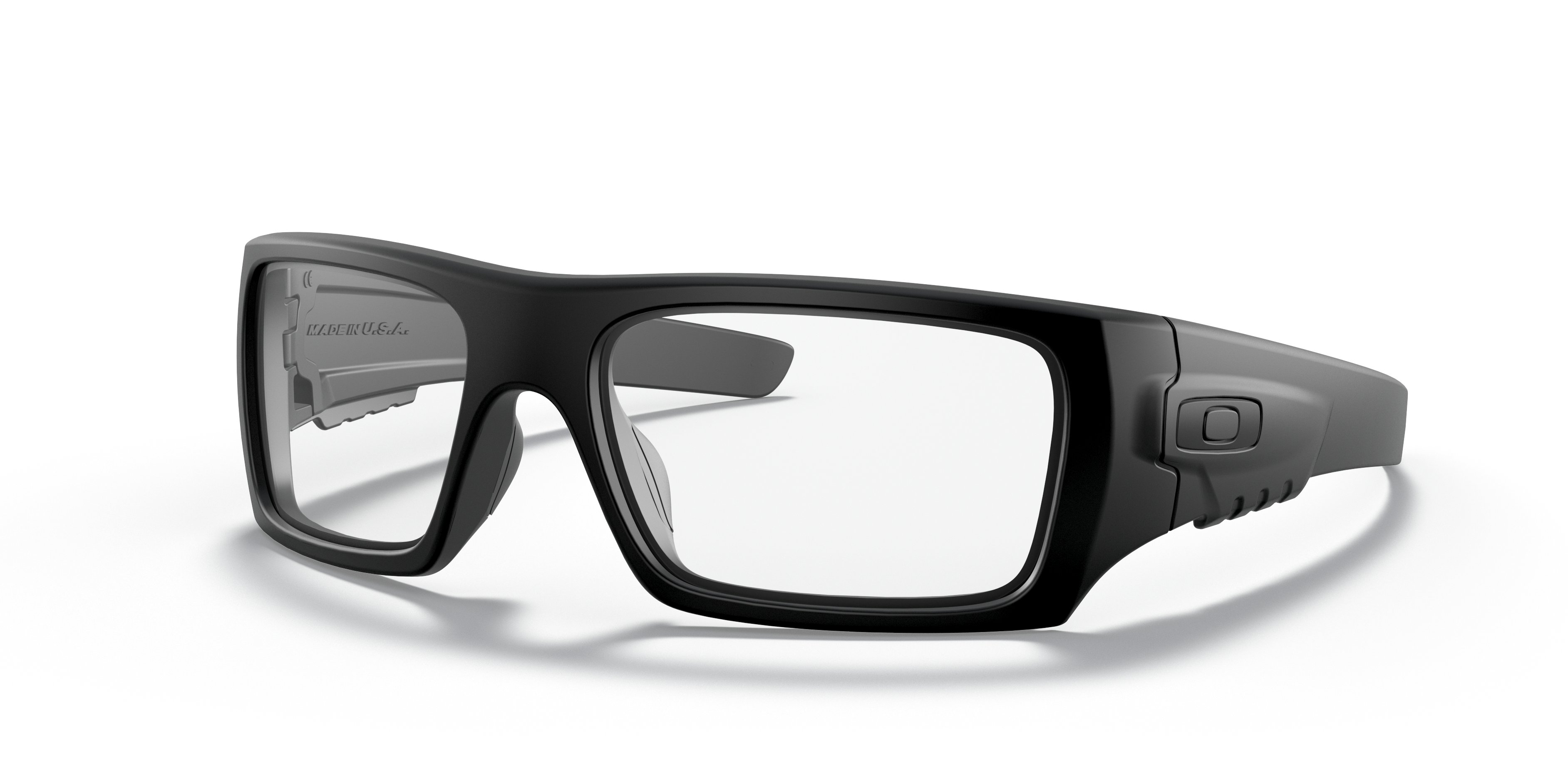
Best premium safety glasses with Oakley optical quality.
✅ Pros
- Premium optics
- Excellent build quality
- Stylish
- Very comfortable
❌ Cons
- Very expensive
- Overkill for basic tasks
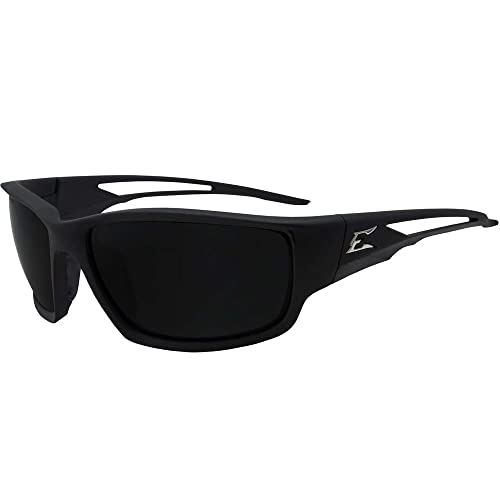
Best polarized safety glasses for glare reduction outdoors.
✅ Pros
- Excellent polarization
- Military grade quality
- Reduces glare
- Very durable
❌ Cons
- Expensive
- No anti-fog
- Not for indoor use
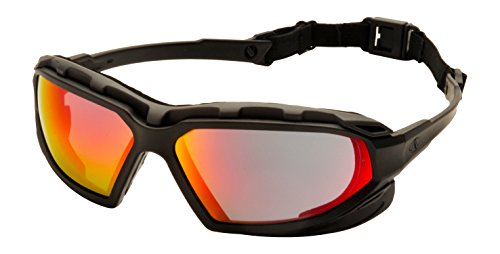
Best for workers moving between indoor and outdoor environments.
✅ Pros
- Works indoors and out
- Excellent anti-fog
- Can wear as goggle
- Foam blocks dust
❌ Cons
- Mirror coating can scratch
- Slightly expensive
📋 Buyer's Guide: What to Look For
Premium safety glasses start with optical clarity. Cheap lenses distort your vision slightly—you might not notice at first, but after eight hours, your eyes are working overtime. Premium brands use optical-grade polycarbonate that meets or exceeds ANSI standards without the waviness you get in budget options. Lens coatings separate the good from the great. Anti-fog isn't just a convenience; it's a safety feature. Fogged glasses come off. Glasses that come off don't protect anything. Look for permanent coatings, not sprays you need to reapply. Hydrophobic coatings that repel water and oil keep your vision clear in rain or when you're sweating through a humid afternoon in Louisiana. Fit and retention matter more than you think. Rubberized temple tips and adjustable nose pads keep glasses in place when you're looking down from a ladder or crawling through an attic. I've watched too many guys lose their glasses at exactly the wrong moment because the temples were too stiff or the nose piece was slippery. Polarization is worth the premium if you work outdoors. It cuts glare from water, metal, and concrete—reducing eye fatigue and letting you actually see what you're doing. Finally, consider replaceable lenses. Premium frames should last years. Being able to swap in new lenses when they scratch extends that investment significantly.
❓ Frequently Asked Questions
If you wear them daily for 8+ hours, yes. The improved optical clarity reduces eye strain, better coatings last longer, and superior fit means you'll actually keep them on. Over a year, the cost per day is minimal.
Z87+ indicates high-velocity impact protection—tested with a quarter-inch steel ball at 150 feet per second. Basic Z87 handles slower impacts. For most construction work, Z87+ is the safer choice.
Many premium safety glasses meet or exceed shooting glasses standards. The Edge Kazbek, for example, is popular with both industrial workers and shooters. Check for MIL-PRF-31013 certification if you need ballistic protection.
Use mild soap and lukewarm water. Avoid paper towels, which can scratch. Microfiber cloths only. Never use ammonia-based cleaners like Windex—they strip anti-fog and anti-reflective coatings.
Yes. Polarization can make phone and tablet screens appear dark or rainbow-tinted at certain angles. If you constantly check devices on the job, consider photochromic or standard tinted lenses instead.