Best Leather Tool Belts for 2026
I’m in a timber frame barn in Vermont, and the carpenter I’m talking to is wearing a tool belt that looks older than I am. The leather is the color of old mahogany, worn smooth at the buckle and creased permanently where it wraps his hips. “Bought this in ‘94,” he says. “My son will get it when I’m done.”
That’s the promise of a quality leather tool belt. Not disposable gear, but equipment that outlasts jobs, trucks, even careers. The leather absorbs years of sweat and oil, becoming something unique to the person wearing it. No two old leather belts look the same because no two bodies are the same.
The weight puts some people off at first. A loaded leather rig is heavy—there’s no way around that. But the weight works for you once you adjust. The belt stays where you put it. It doesn’t shift when you bend or climb. It becomes part of your center of gravity instead of fighting against it. After a month, you stop noticing the weight and start appreciating the stability.
⚡ Quick Picks
| # | Product | Price | Rating | Best For | |
|---|---|---|---|---|---|
| 1 | Occidental Leather Pro Trimmer Tool Belt | $289.00 | ★★★★ ★ | durability, premium-quality, finish-carpentry, framers, carpenters, daily-professional-use | View on Amazon |
| 2 | Occidental Leather 3-Inch Adjustable Belt | $89.99 | ★★★★ ★ | durability, premium-quality, electricians, general-contractors, carpenters, custom-setup | View on Amazon |
| 3 | AWP TrapJaw Oil-Tan Leather Tool Rig | $149.99 | ★★★★ ★ | construction, framers, professional, weight-distribution, carpenters, leather-quality | View on Amazon |
| 4 | CLC Custom Leathercraft 51452 Pro Framer | $89.99 | ★★★★ ★ | framers, general-contractors, professional, weight-distribution, carpenters, leather-quality | View on Amazon |
| 5 | OX Pro Oil Tanned Leather Tool Belt | $119.99 | ★★★★ ★ | construction, framers, premium, weight-distribution, carpenters, leather-quality | View on Amazon |
Detailed Reviews
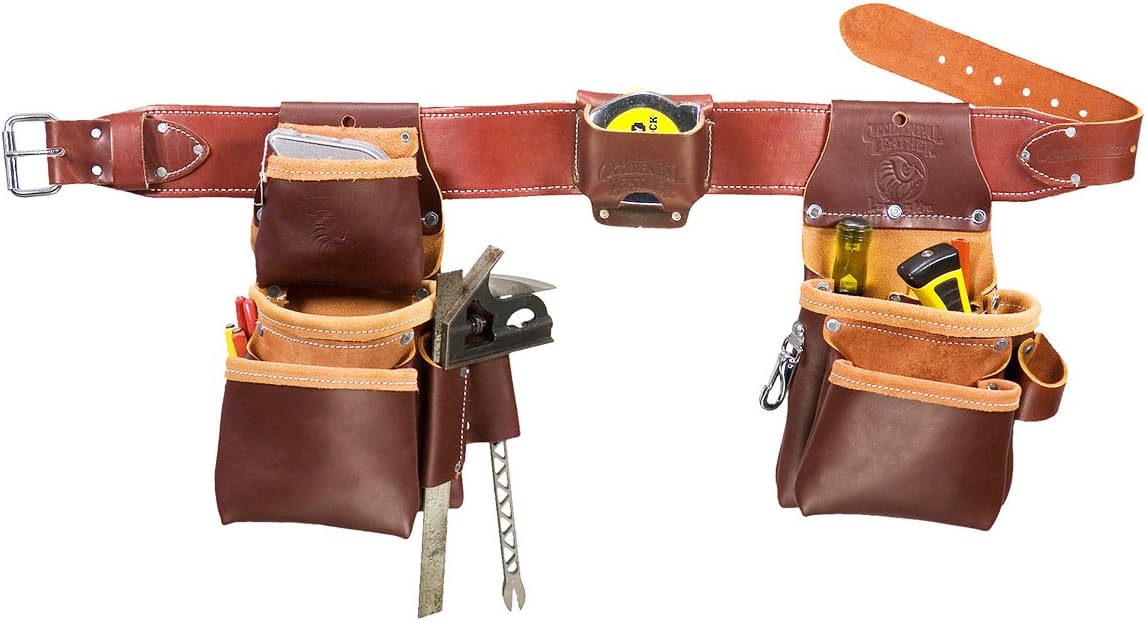
Best premium leather tool belt for professional carpenters.
✅ Pros
- Premium leather quality
- Lasts for years
- Excellent organization
- Professional grade
❌ Cons
- Very expensive
- Heavy
- Requires break-in
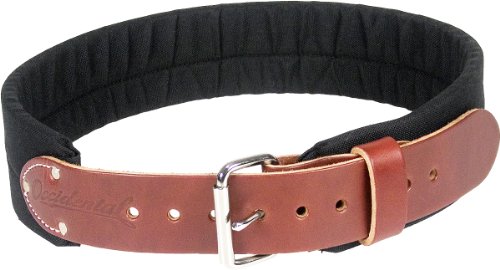
Best premium base belt for building a custom tool belt system.
✅ Pros
- Excellent base belt
- Quick release
- Premium leather
- Works with all Occidental pouches
❌ Cons
- Just the belt
- Expensive for base belt
- Heavy
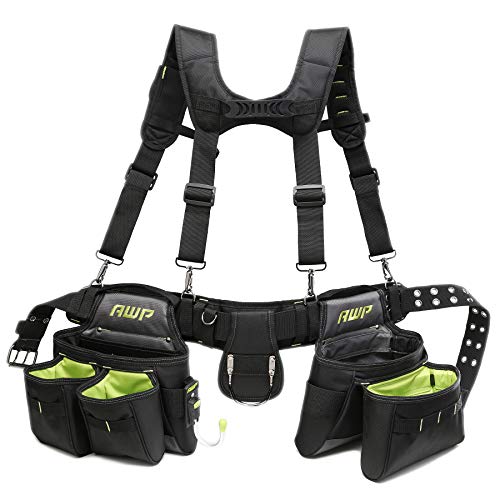
Best leather tool belt with suspenders for professional carpenters.
✅ Pros
- Quality leather
- Suspenders included
- Good organization
- Durable
❌ Cons
- Expensive
- Heavy
- Requires break-in
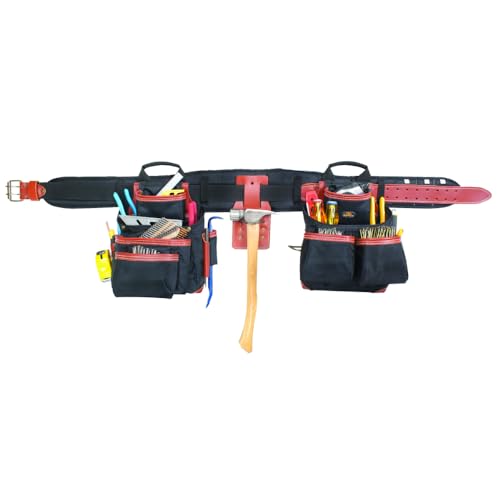
Best mid-range leather tool belt with suspenders for framers.
✅ Pros
- Real leather
- Suspenders included
- Good pocket variety
- Durable
❌ Cons
- Mid-range leather quality
- Heavy
- Can be bulky
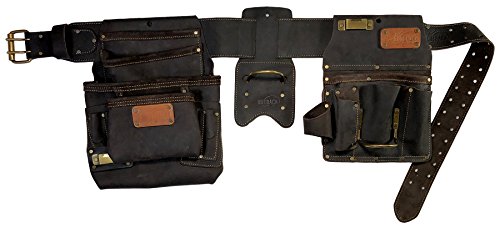
Best premium leather alternative to Occidental with suspenders.
✅ Pros
- Quality leather
- Suspenders included
- Good hardware
- Professional look
❌ Cons
- Expensive
- Heavy
- Requires break-in
📋 Buyer's Guide: What to Look For
Leather quality determines lifespan. Full-grain leather uses the entire hide thickness—strongest and most durable. Top-grain is sanded and finished, slightly weaker but more uniform. Genuine leather is layers bonded together—avoid it for tool belts. Oil-tanned leather resists water and stays supple, making it ideal for outdoor work. Construction details matter. Riveted stress points last longer than stitching alone. Bar-tacking at pocket corners prevents tear-outs. The Occidental Pro Trimmer uses a combination of copper rivets and heavy stitching that survives decades of professional use. Pocket design affects workflow. Framers need deep nail bags that hold bulk fasteners. Finish carpenters need smaller pockets for precision tools. Electricians need pouches that organize fittings and connectors. Buy for your trade, not just the brand name. Belt width affects comfort. Three-inch belts distribute weight better than two-inch, reducing back strain during long days. Padded belts add comfort but can get hot. Leather belts mold to your body over time, becoming custom-fit. Break-in is real. New leather belts are stiff and uncomfortable. They soften with use, oil, and sweat. Expect a month of regular wear before a quality leather belt feels right. Some workers speed this with leather conditioner or by working the belt wet. Weight is the trade-off. Leather belts are heavy—five to eight pounds empty, fifteen or more loaded. That weight becomes comfort through stability; a heavy belt stays put instead of shifting and sagging. Suspenders help distribute the load for all-day comfort.
❓ Frequently Asked Questions
Quality leather belts last 10-20 years with proper care. Occidental belts are famously passed down through generations of tradespeople. Cheap leather or synthetic belts might last 1-3 years.
Wear it daily. Apply leather conditioner to soften the material. Some workers dampen the belt and wear it until dry to accelerate molding. Expect 2-4 weeks of regular use for full break-in.
Oil-tanned leather handles moisture well, but repeated soaking damages any leather. Dry wet belts slowly at room temperature, then condition. Never use heat—it shrinks and cracks leather.
For daily professional use, absolutely. A $300 belt that lasts 15 years costs $20 per year. A $60 belt that lasts 2 years costs $30 per year. Plus, quality belts are more comfortable and functional.
Brush off dirt daily. Condition every few months with quality leather conditioner. Store hanging or flat—never folded. Replace worn keepers and fasteners as needed.