Best Earmuffs for Construction
⚡ Quick Picks
| # | Product | Price | Rating | Best For | |
|---|---|---|---|---|---|
| 1 | 3M Peltor X4A Over-the-Head Earmuffs | $24.99 | ★★★★ ★ | construction, manufacturing, shooting | View on Amazon |
| 2 | 3M Peltor X5A Over-the-Head Earmuffs | $29.99 | ★★★★ ★ | construction, manufacturing, shooting, airport | View on Amazon |
| 3 | Howard Leight Thunder T3 Dielectric Earmuff | $16.99 | ★★★★ ☆ | construction, electrical work, manufacturing | View on Amazon |
| 4 | 3M Peltor Optime 105 Over-the-Head Earmuffs | $21.99 | ★★★★ ★ | construction, manufacturing, airport, shooting | View on Amazon |
| 5 | 3M Peltor Optime 98 Over-the-Head Earmuffs | $16.99 | ★★★★ ★ | construction, manufacturing, woodworking | View on Amazon |
| 6 | 3M WorkTunes Connect Hearing Protector with Bluetooth | $49.99 | ★★★★ ★ | construction, landscaping, woodworking, manufacturing | View on Amazon |
Detailed Reviews
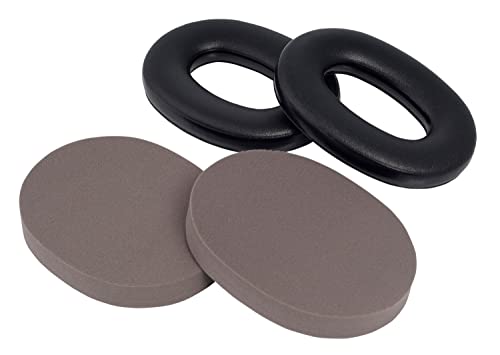
Excellent mid-range earmuffs with serious protection—ideal for loud job sites where communication still matters.
✅ Pros
- NRR 27 dB for serious noise reduction
- Innovative foam liners improve attenuation
- Comfortable for extended wear
❌ Cons
- Higher price point
- Can get warm during summer work
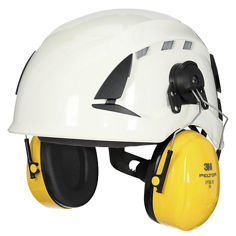
Maximum protection for the loudest jobs—if you work around heavy machinery or aircraft, these are your earmuffs.
✅ Pros
- NRR 31 dB—highest in the X-series
- Excellent for extremely loud environments
- Robust build quality
❌ Cons
- Bulky design
- Higher clamping force can cause discomfort over time
- Premium price
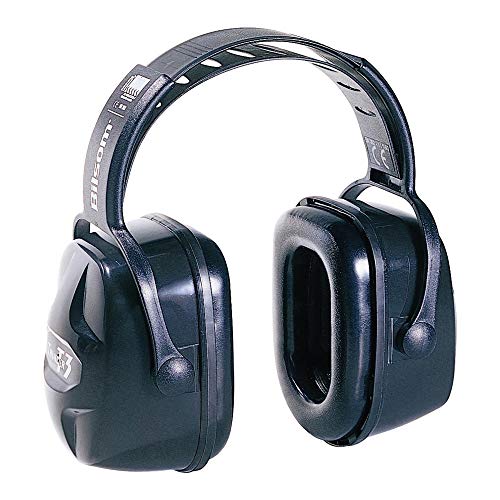
Reliable passive protection with electrical safety—great for electricians and utility workers who need high NRR without breaking the bank.
✅ Pros
- NRR 30 dB for high noise environments
- Dielectric construction safe for electrical work
- Dual headband for comfort
- Budget-friendly price
❌ Cons
- Bulky design
- Not as comfortable as premium options for all-day wear
- No electronics or Bluetooth
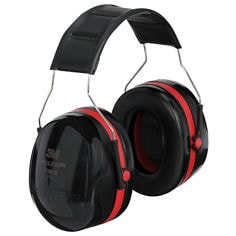
Tried-and-true high-NRR earmuffs that have been protecting workers for decades—no frills, just solid protection.
✅ Pros
- NRR 30 dB for high noise environments
- Double-shell technology
- Comfortable for extended wear
- Proven reliability
❌ Cons
- Bulky twin-cup design
- Not as stylish as newer options
- No electronics
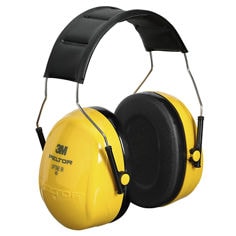
The lighter, more affordable sibling to the Optime 105—good protection for less extreme noise environments.
✅ Pros
- NRR 25 dB for moderate noise
- Lighter than Optime 105
- Affordable price point
- Reliable 3M quality
❌ Cons
- Lower NRR than Optime 105
- Basic design
- No electronics
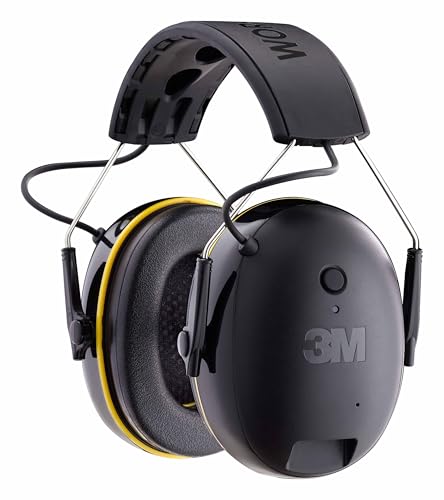
The best balance of hearing protection and entertainment—makes long days on the job site fly by.
✅ Pros
- Bluetooth streaming for music and calls
- NRR 24 dB protection
- Built-in microphone for hands-free calls
- Long battery life
❌ Cons
- Audio quality is decent but not audiophile-grade
- Can get warm during extended use
- Controls can be finicky with gloves
📋 Buyer's Guide: What to Look For
Earmuffs are the easiest hearing protection to use correctly. There's no rolling, no insertion technique, no wondering if you got a good seal. Put them on, adjust the headband, and you're protected. For construction workers who want simplicity and reliability, earmuffs are hard to beat. The 3M Peltor X-series represents the current state-of-the-art. The X4A is the sweet spot for most construction work—27 dB NRR, comfortable for all-day wear, and low-profile enough to avoid snagging on equipment. The innovative foam liners and ear cushions actually improve attenuation compared to older designs. When you need maximum protection, the X5A delivers 31 dB NRR—among the highest available in passive earmuffs. The trade-off is bulk and higher clamping force. These are best for extreme noise environments like demolition, heavy equipment operation, or working near aircraft. Don't wear them if you need to hear conversation or warning signals. The Peltor Optime 105 is the old reliable option that's been protecting workers for decades. The twin-cup design delivers 30 dB NRR with proven durability. It's bulkier than the X-series but often cheaper and just as effective. If you don't care about having the latest design, the Optime 105 is a solid value. For electricians and utility workers, the Howard Leight Thunder T3 offers dielectric construction—meaning no metal parts that could conduct electricity. At 30 dB NRR and under $20, it's a safety essential for electrical work. The dual headband reduces heat buildup, a nice touch for summer work. The Optime 98 is the lighter, more affordable sibling to the 105. At 25 dB NRR, it's suitable for moderate noise environments and workers who find higher-NRR muffs too isolating. Good for carpentry, light remodeling, and general construction where you're not running heavy machinery. For workers who want entertainment with their protection, the 3M WorkTunes Connect adds Bluetooth to the familiar earmuff form factor. 24 dB NRR is adequate for many construction tasks, and the ability to stream music or take calls makes long days more bearable.
❓ Frequently Asked Questions
Yes, most over-ear earmuffs fit with standard hard hats. Some workers prefer cap-mounted earmuffs that attach directly to the hard hat. Make sure the headband sits above the hard hat suspension, not under it.
Snug but not painful. Proper seal requires enough pressure to maintain contact with your head, but excessive clamping force causes headaches. If you get headaches after an hour, try a different model or adjust the headband.
Yes, but the glasses arms can break the earmuff seal and reduce protection. Look for thin-frame safety glasses or consider earplug-style protection if you wear glasses full-time.
Replace cushions every 6-12 months with regular use, or sooner if they become cracked, stiff, or lose their shape. 3M and Peltor sell replacement hygiene kits for their popular models.
Every 3 dB reduction cuts noise exposure in half. NRR 31 provides about 8 times more noise reduction than NRR 22. For reference: normal conversation is 60 dB, a chainsaw is 110 dB, and a jackhammer is 130 dB.