Best Budget Tool Belts for 2026
I’m helping a buddy build a deck in his backyard outside Milwaukee. He’s an accountant, not a contractor, and his tool belt came from a big box store with a price tag that wouldn’t cover lunch for two. “Figured I didn’t need anything fancy for weekend projects,” he says, adjusting a strap that’s already starting to fray after three Saturdays of use.
Budget tool belts are the Honda Civics of the tool world. They’re not exciting. They don’t turn heads. But they get you where you need to go without breaking the bank. For DIYers, apprentices just starting out, or anyone who straps on a belt a few times a month, they’re perfectly adequate.
The key is managing expectations. A $50 belt won’t survive five years of commercial construction. The stitching will pop, the fabric will tear, and eventually you’ll be that guy picking up spilled nails while everyone else keeps working. But for hanging drywall in your basement or building the occasional bookshelf? It’s fine. Use it until it dies, then decide if you’re ready to invest in something that’ll outlast your truck.
⚡ Quick Picks
| # | Product | Price | Rating | Best For | |
|---|---|---|---|---|---|
| 1 | Bucket Boss Mullet Buster Suspension Rig | $69.99 | ★★★★ ☆ | budget-conscious, general-contractors, weight-distribution, carpenters, diy, daily-use | View on Amazon |
| 2 | Milwaukee 48-22-8140 Padded Work Belt | $39.99 | ★★★★ ☆ | budget-mid-range, general-contractors, comfort, diy, modular-setup, light-construction | View on Amazon |
| 3 | CLC Custom Leathercraft 1608 Electrician's Combo | $59.99 | ★★★★ ☆ | budget-mid-range, datacom, electrical-work, electricians, low-voltage, lightweight | View on Amazon |
Detailed Reviews
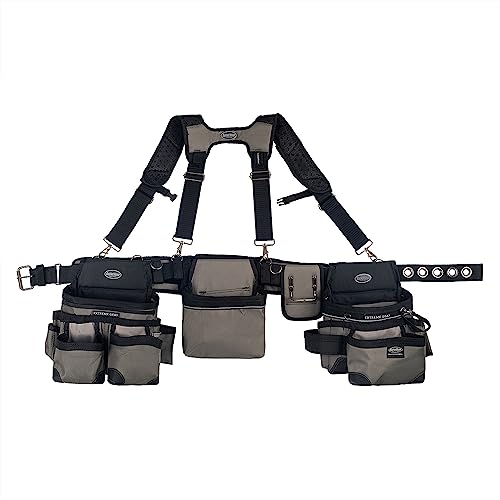
Best budget suspension rig for weight distribution on a budget.
✅ Pros
- Affordable
- Suspenders help
- Barrel pockets hold shape
- Good value
❌ Cons
- Canvas not leather
- Not as durable
- Basic quality
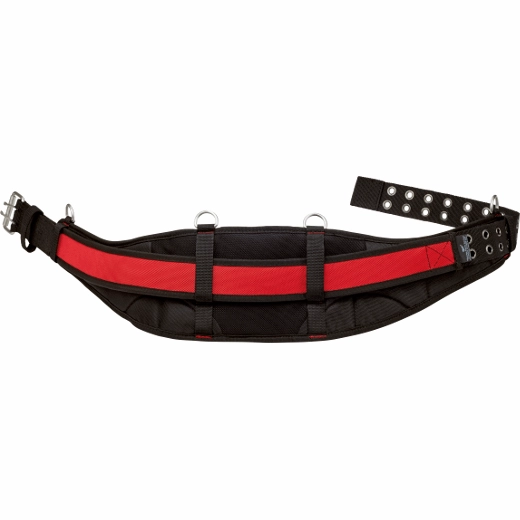
Best comfortable padded base belt for modular pouch systems.
✅ Pros
- Very comfortable
- Quick release
- Affordable
- Modular
❌ Cons
- Just the belt
- Not leather
- Pouches sold separately
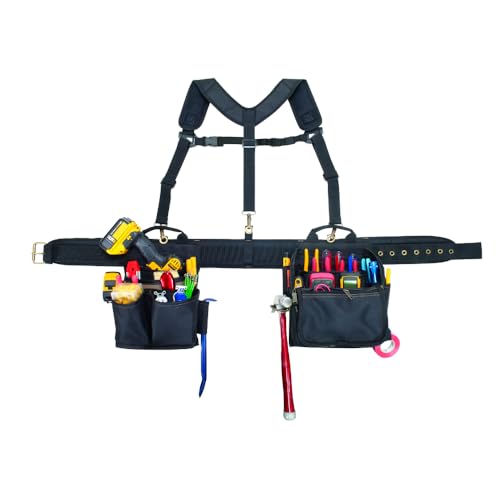
Best affordable electrician-specific tool belt combo.
✅ Pros
- Electrician focused
- Zippered security
- Lightweight
- Affordable
❌ Cons
- Not leather
- Not as durable
- Basic construction
📋 Buyer's Guide: What to Look For
Budget tool belts prioritize function over longevity. You won't get 20 years from a $50 belt, but you can get 2-3 years of solid use if you're realistic about the workload. Canvas and polyester construction keeps costs down while providing adequate strength for light to medium duty. Focus on essential features. Deep nail pockets that hold shape, a secure hammer loop, and enough organization that you're not digging for tools. Skip gimmicks like built-in flashlights or excessive pockets you'll never use. The Bucket Boss Mullet Buster covers basics well with suspenders included. Fit matters more than brand. A cheap belt that fits properly outperforms an expensive belt that slides around. Measure your waist and check sizing charts. Most budget belts fit ranges—if you're on the edge, size down and use the adjustment straps. Suspenders add value. The Bucket Boss includes suspenders in its sub-$70 price, which is a significant value. Suspenders transform a budget belt from back-breaking to bearable, especially when you're carrying any real weight. Know the limits. Budget belts aren't for daily professional framing or heavy construction. The materials fatigue faster, stitching gives way under extreme loads, and hardware bends or breaks. Use them for what they are: starter equipment, light duty gear, or backup rigs. Maintenance extends life. Even budget belts last longer with care. Don't overload pockets beyond capacity. Empty the belt at day's end instead of letting it sit loaded. Repair small tears before they become big ones. Consider modular upgrades. Start with a budget base belt, then add quality pouches over time. A $40 Milwaukee belt with a $60 Occidental pouch gives you professional quality where it counts while spreading the cost.
❓ Frequently Asked Questions
With light to moderate use, 2-3 years. With daily professional use, 6-12 months. They're consumable gear—use them, wear them out, replace them when they fail.
For light professional work or starting out, yes. For heavy daily framing or construction, invest in quality. A failing belt on a job site costs more in downtime than the price difference.
The Bucket Boss Mullet Buster offers the most complete package—belt, pouches, and suspenders—for under $70. The Milwaukee padded belt is best if you plan to upgrade pouches later.
At budget prices, usually yes. Cheap leather is often bonded or split hide that fails quickly. Quality synthetics at the same price point typically outperform cheap leather for durability.
When you're working daily, carrying heavy loads, or the belt is causing discomfort. Also upgrade if pockets are failing or you're spending time repairing instead of working.